Robotics · 13 November 2026 · 3 min read
J.P. Morgan forecasts 300,000 to 400,000 US humanoids by 2030
Reuters reported on 12 November that J.P. Morgan expects US humanoid production of 300,000 to 400,000 units by 2030 and about 1.5 million by 2035. The note, as reported, says most US makers other than Tesla are targeting 10,000 to 30,000 units a year, and that multi-shift use could save a customer about $100,000 a year. These are a broker’s estimates.
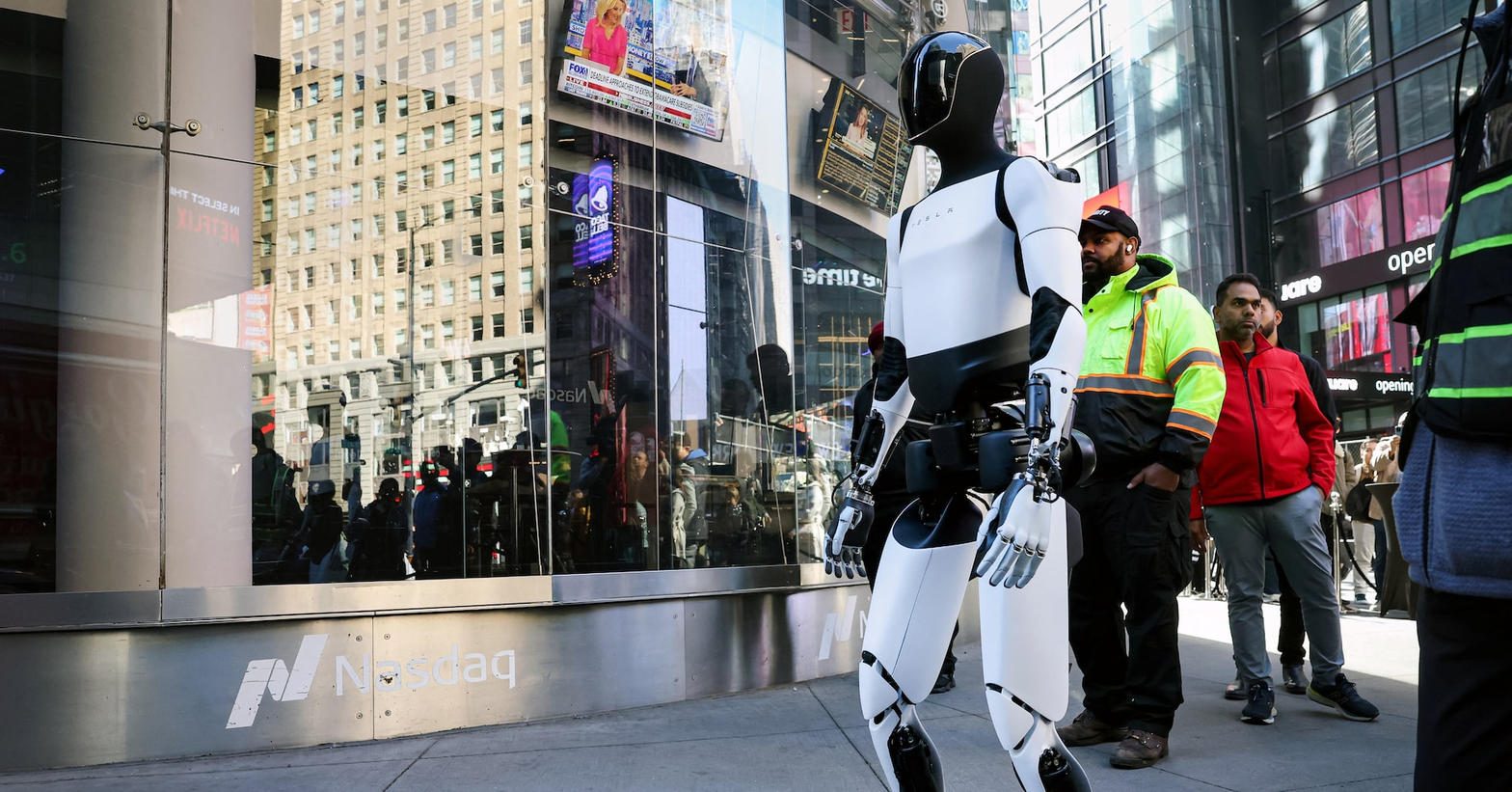
Reuters reported on 12 November that J.P. Morgan expects humanoid production in the United States to reach 300,000 to 400,000 units by 2030 and about 1.5 million units by 2035. The report says the bank points to labour shortages, costs and production capacity, with manufacturing, logistics and warehousing named as early uses. It says the bank estimates that costs are nearing parity with labour, and that running robots across more than one shift could generate about $100,000 in annual savings per customer.
Reuters quotes the note on four constraints: hands, actuators, what it calls the brain, and production capacity. It says most US manufacturers other than Tesla are targeting 10,000 to 30,000 units a year. The makers named are Tesla’s Optimus, Agility’s Digit, Boston Dynamics’ Atlas, Figure, and Apptronik’s Apollo. On parts, Reuters says the bank expects the market for actuators, motors and vision systems to approach $30 billion by 2035, and names Timken, Robotis, Leader Drive, Orbbec and Cognex. These figures are the bank’s estimates, as reported. They are not orders or factory output.
More in Robotics
- NVIDIA Physical AI Revenue Nearly Triples YoY, Pacing for $25 Billion in FY27 as Fab and AMR Deployments Scale
- BlackBerry QNX Targets Physical AI Robotics Growth as NVIDIA Standardizes on QNX for Halos Safety Stack
- Texas A&M Opens $200 Million Space Institute Near NASA JSC With Lunar and Martian Robotics Testbeds