Infrastructure · 31 October 2026 · 5 min read
Google got a haiku back from a TPU in orbit. That is not a power plant
Travis Beals wrote on 30 October that a Project Suncatcher satellite, launched on 1 October with Planet, returned what Google calls the first answer from a data-centre-class TPU in orbit. The model was Gemma 4. The downlink was over Svalbard. The blog gives no kilowatt. TechCrunch, not Google, puts four chips and about 1 kilowatt on the craft.
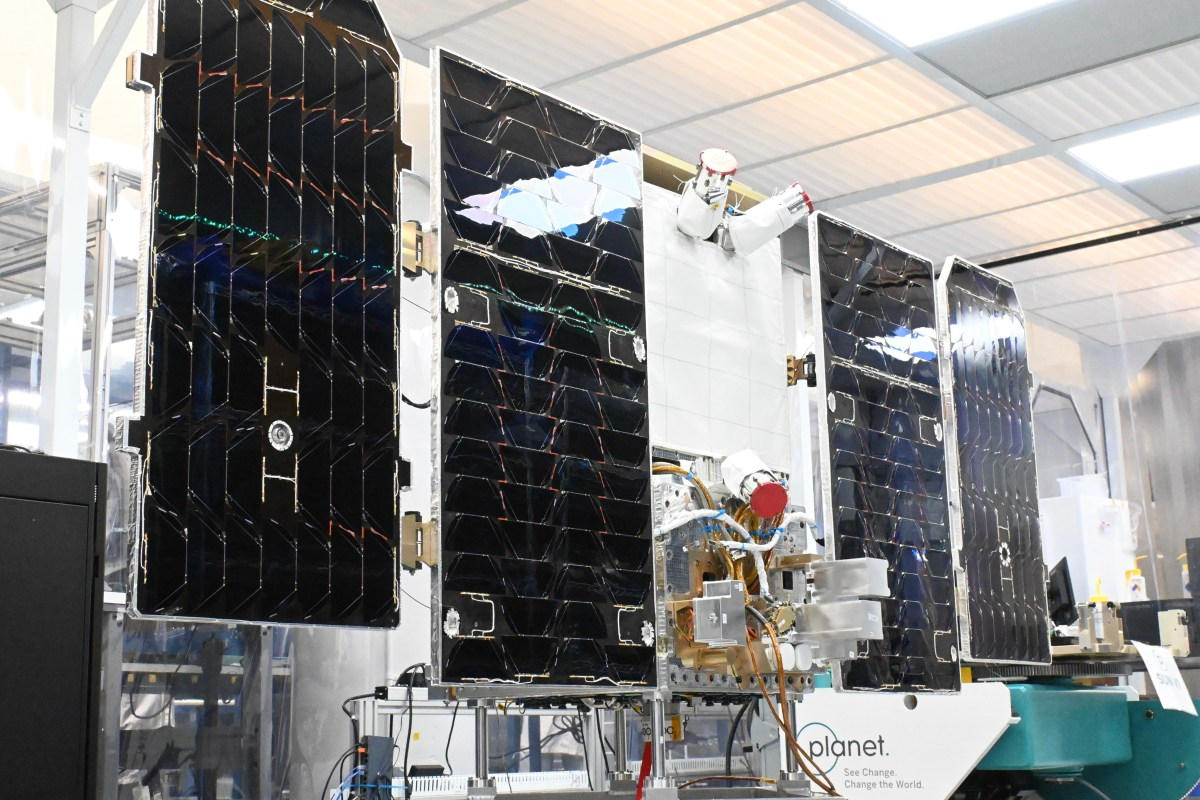
Google’s own post, by Travis Beals on 30 October, is short and specific. The prototype for Project Suncatcher launched on 1 October. The point of the project, in his words, is “to explore powering AI compute in space.” After a commissioning checklist that included powering up “the host and TPU trays” and some early machine-learning tests, the team this week uplinked a prompt to an onboard Gemma 4 model and asked for a haiku about being in space. The answer came down as the satellite passed Svalbard, Norway: “Blue marble below / Data streams in silent grace / Starlight feeds my core.” Google calls that “the first-ever AI response from a data center class TPU in orbit.” First-ever is the company’s claim. A haiku is one completed prompt. It is not a training run, and it is not a measured saving on a terrestrial grid.
What that post does not contain is the hardware budget. No chip count, no kilowatt, no minutes of runtime, and no multiple of the sunlight available on the ground. TechCrunch, reporting the same day, wrote that the satellite carries four of Google’s TPUs and generates up to 1 kilowatt, and that the draw means only one chip can be on for about 20 minutes at a time. It said the craft was built by Planet and flew on SpaceX’s Transporter-18 rideshare, which matches Google’s launch note that the satellite was built with Planet and went up on that mission. A spokesperson told TechCrunch the satellite was operating nominally. Those sentences are a reporter’s account of the power constraint. They are not in Beals’s post, and 1 kilowatt for twenty minutes is not a data-centre load. A chart that says the Sun delivers eight times the energy in low orbit is a different document, from before the launch. It is not this result.
The next sentences are tests, not a fleet. Google says it will now see how the chips behave under thermal stress and radiation. The milestone after that, in 2027, is “twin interconnected satellites.” Interconnected is a plan for two machines that can talk to each other. TechCrunch adds that those two are meant to generate more power and to demonstrate optical links between them. Google’s post does not say laser, and it does not give a megawatt. Two satellites in a future tense are not a cluster that has already shared a job, and a prompt that survived one pass over Norway is not evidence the chips will still answer after months in radiation.
The useful comparison is with power that has to be bought on the ground. Gas generators ordered for a data centre are a purchase of machines that have not yet been tied to a site. A nuclear uprate still waiting on a loan is capacity that has not been switched on. This satellite is a third kind of fact: a chip that booted, answered, and came back down as text. Beals called it space wings, and “an important achievement on the long road ahead.” The long road is the honest half of that sentence. Until a watt-hour is published against a ground station’s bill, orbit is a laboratory, not a substitute for a power plant.
More in Infrastructure