Infrastructure · 19 November 2026 · 4 min read
PJM Files Mandatory FERC Ride-Through Rules for 50 MW+ Data Centers Following 3.9 GW Virginia Trip
Targeting a January 16, 2027 effective date, PJM’s tariff revision would require both existing and future large computational facilities to stay connected through routine grid disturbances.
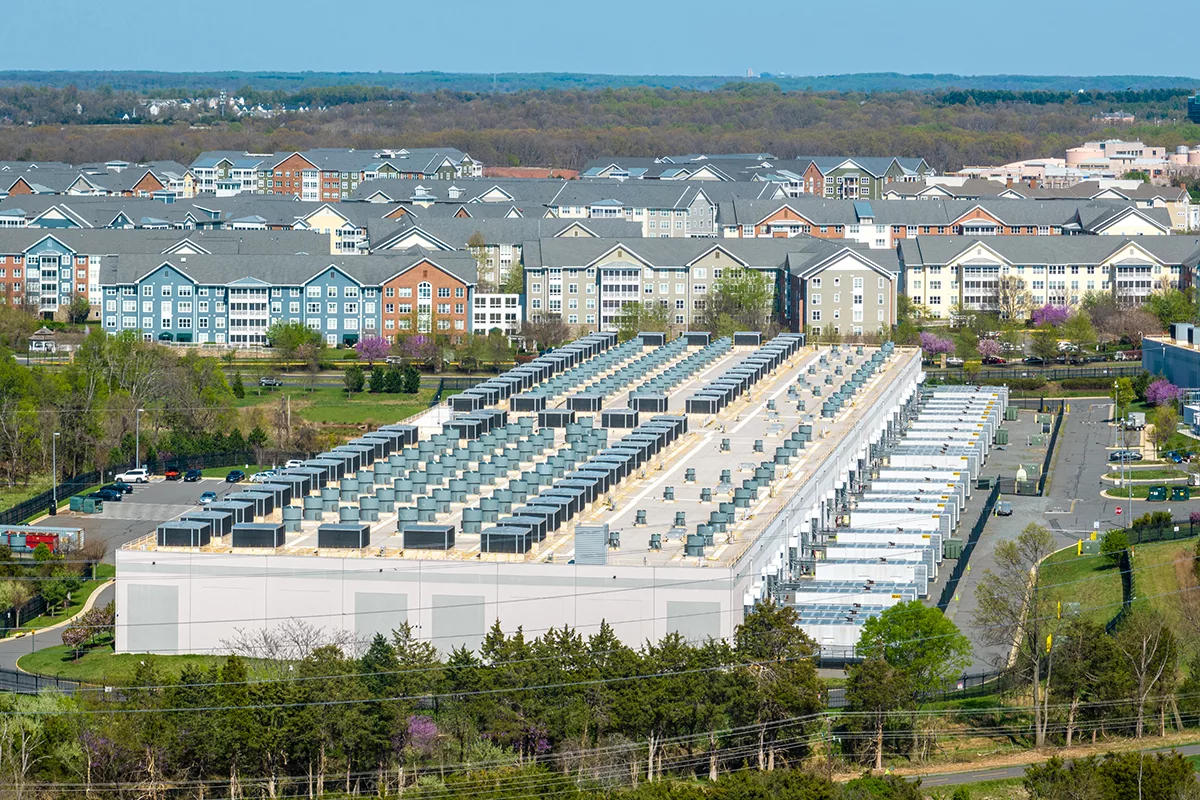
PJM Interconnection asked the Federal Energy Regulatory Commission (FERC) on November 16, 2026, to mandate voltage and frequency ride-through compliance for all current and future data centers and large computational loads exceeding 50 megawatts (MW) (PJM Inside Lines, Nov. 16, 2026; CASRAI, Nov. 16, 2026). PJM requested that the tariff take effect on January 16, 2027.
The filing marks a turning point in US bulk power regulation. As hyperscale artificial intelligence (AI) campuses cluster into multi-gigawatt zones, aggressive power-protection relays designed to shield expensive graphics processing units (GPUs) have become a systemic stability hazard for the entire Eastern Interconnection.
Technical & Financial Breakdown
PJM’s proposal directly addresses a July 22, 2026 disturbance in Dominion Energy’s Northern Virginia transmission zone. During a routine grid fault, nearly 3.9 gigawatts (GW) of data center demand simultaneously disconnected from utility feeds and switched to onsite backup power—the largest sudden load-transfer event in PJM’s operating history (PJM Inside Lines, Nov. 16, 2026).
Abruptly shedding 3.9 GW sends immediate voltage and frequency spikes across interconnected transmission lines, forcing thermal generators and grid controls across the Eastern Interconnection to absorb the shock. PJM currently serves roughly 10 GW of large computational load and forecasts that total to reach 30 GW by 2030 (CASRAI, Nov. 16, 2026).
Under the proposed tariff, computational sites over 50 MW must remain synchronized with the transmission system through defined routine voltage sags and frequency excursions rather than instantaneously tripping onto uninterruptible power supply (UPS) batteries and diesel generators.
Second-Order Implications
Because the rule explicitly captures both existing and new facilities above 50 MW, hyperscalers, colocation landlords, and university high-performance computing (HPC) centers across Virginia and Ohio face urgent audits of their medium-voltage switchgear, automatic transfer switches, and UPS inverter firmware.
For electrical equipment vendors, mandatory ride-through standards create fresh demand for grid-forming power electronics, battery-buffered conditioning stages, and server power-supply units (PSUs) engineered to tolerate wider voltage dips without crashing distributed AI training runs.
Caveats & Open Questions
A January 16, 2027 compliance deadline leaves virtually no runway for older campuses requiring physical relay replacements or UPS hardware retrofits. PJM’s public summary did not specify grandfathering periods, financial penalties for non-compliance, or how retrofit costs will be split between colocation landlords and enterprise tenants.
More in Infrastructure